Multi-Tenant Database Architecture Design Patterns for Scalable SaaS
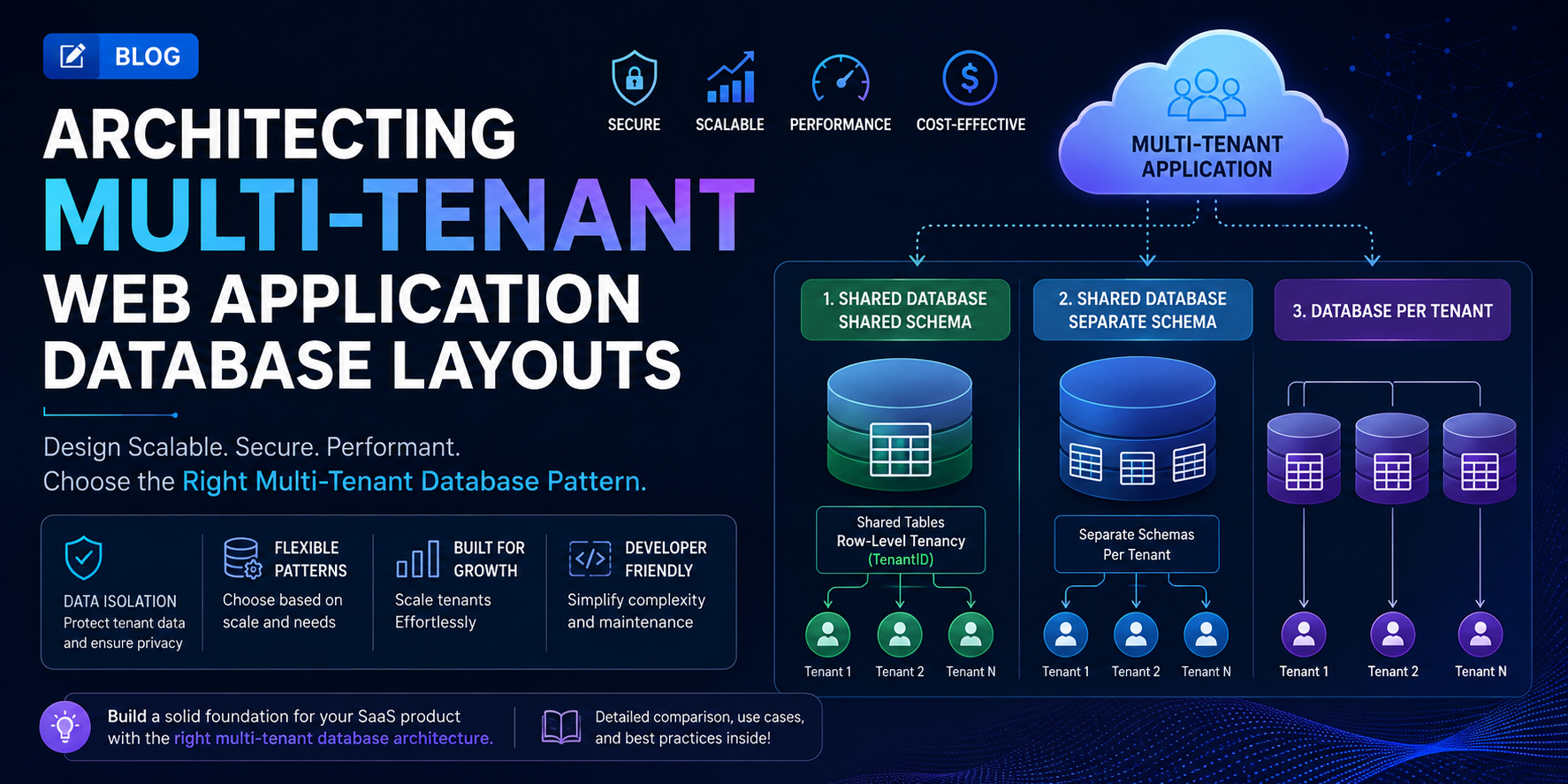
Compare multi-tenant database patterns, from shared tables with row-level tenancy filtering to isolated database schemas
SaaS Architecture
Architecting Multi-Tenant SaaS Databases: Row-Level Filtering vs. Separate Schemas
Systems Design • 13 Min Read
Why Tenant Separation Strategy Defines Your Scalability
Building multi-tenant applications requires hard compromises between operational cost and data isolation. While a shared database with tenant-keyed rows keeps infrastructure costs minimal, a single bug in your query scope could accidentally leak confidential data across clients. On the other hand, separate schemas offer robust security isolation but increase maintenance overhead during database migrations. Choosing the right design upfront determines how smoothly your application scales over time.
Enforcing Row-Level Tenancy Scoping on PostgreSQL
To minimize the risk of data leaks in shared tables, leverage PostgreSQL's native Row-Level Security (RLS) policies to automate tenant isolation at the database level.
SQL Tenant Isolation Policy Implementation
-- Enable Row Level Security mechanics on targeted client accounts data grid
ALTER TABLE client_profiles ENABLE ROW LEVEL SECURITY;

-- Establish a strict isolated policy layer using application session runtime variables
CREATE POLICY tenant_isolation_policy ON client_profiles
    FOR ALL
    USING (tenant_id = NULLIF(current_setting('app.current_tenant_id', true), '')::uuid);
Architect's Recommendation
When using Row-Level Security (RLS), ensure your application server sets the current session variable (e.g., app.current_tenant_id) immediately upon establishing any pool database connection.
Leave a comment
Your email address will not be published. Required fields are marked *